Manufacturing is a complex and constantly evolving industry that requires strict adherence to quality standards and efficient management of resources. One of the key components in achieving these goals is the use of work orders.
This blog post deals about what a work order is, the challenges in work order tracking in manufacturing industry, the uses and advantages of using RFID for work order tracking in manufacturing industry.
A work order is a document that contains detailed instructions, materials, and resources required to complete a specific production job or task. Work orders are created from various sources such as customer orders, internal requests, and production plans and are used by various manufacturing functions such as production planning, production control, quality control, and accounting.
However, there are several challenges when it comes to tracking work orders in the manufacturing industry.
Challenges in Work Order Tracking in Manufacturing Industry
Manual Processes
Many manufacturing companies still rely on manual processes for tracking work orders. These processes can be time-consuming, prone to errors, and lack real-time visibility. Physical, paper-based work orders can be misplaced.
Inaccurate Information
Without real-time visibility, it can be challenging to obtain accurate information about the status of work orders. This can lead to delays and missed deadlines, resulting in dissatisfied customers.
Inefficiencies in Production Inefficient production can lead to delays and backlogs, making it difficult to deliver work orders on time.
RFID Work Order Tracking System
AssetPulse, having a wealth of experience and expertise in deploying RFID Tracking Solutions across various industries, has designed and developed an RFID work order tracking system to address the work order tracking challenges associated with the manufacturing industry.
AssetPulse’s RFID Work Order Tracking Software is designed to suit the needs of all industries including industrial manufacturing, medical devices, electronics, etc.
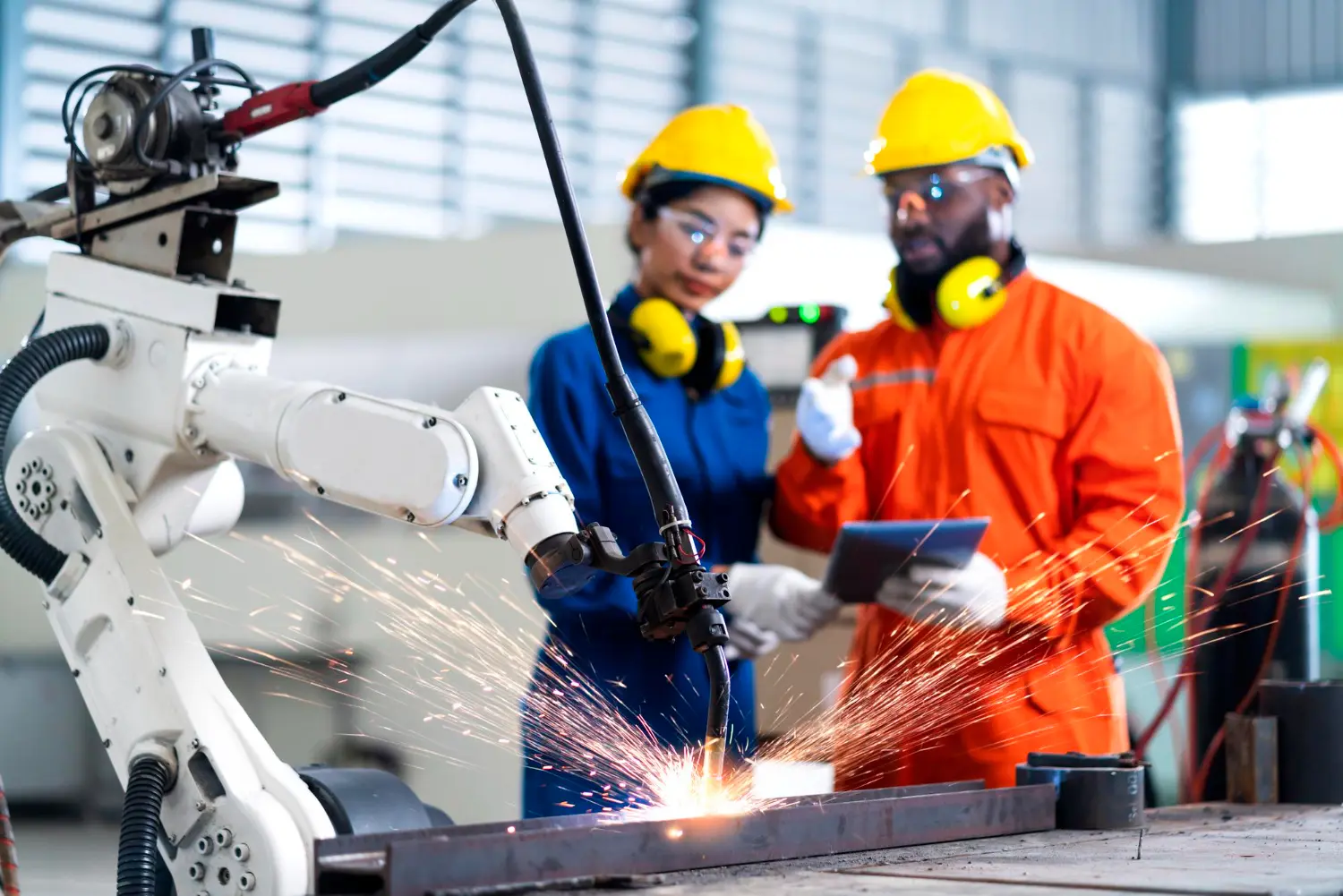
Uses of RFID Technology in Work Order Tracking in Manufacturing
Real-Time Visibility
RFID technology provides real-time visibility into the progress of work orders. RFID readers can track the movement of materials and products throughout the manufacturing process, providing accurate and up-to-date information.
Production Efficiency
RFID technology also helps improve production efficiency by reducing the time it takes to locate and retrieve materials. RFID readers can quickly identify the location of materials, reducing the time spent searching for them.
Quality Control
RFID can be used for quality control by tracking the movement of products and materials throughout the manufacturing process. This ensures that each product is manufactured according to customer specifications and meets the quality standards.
Advantages of Using RFID Technology in Work Order Tracking in Manufacturing
Improved Accuracy
RFID technology is highly accurate, reducing errors and ensuring that work orders are delivered on time.
Real-Time Visibility
RFID technology provides real-time visibility into the progress of work orders - captures when a work order enters and exits a location on the production floor, the time duration a work order stayed at a location, last known location of the work order, enabling manufacturers to quickly identify and resolve issues.
Reduced Costs
RFID solutions can help reduce costs by improving production efficiency, reducing the time it takes to locate materials, and improving the accuracy of work order tracking.
Increased Customer Satisfaction
By improving production efficiency, identifying and fixing bottlenecks, reducing delays, and improving accuracy, RFID technology can help manufacturers track work orders, deliver on time and meet customer expectations, increasing customer satisfaction.
To sum up, the implementation of RFID technology for work order tracking in the manufacturing industry can provide several benefits, such as enhanced production efficiency, real-time visibility, and better quality control.
This technology enables manufacturers to deliver work orders on time and meet customer requirements. Its advantages make it a compelling solution for manufacturers seeking to streamline and optimize manufacturing processes.