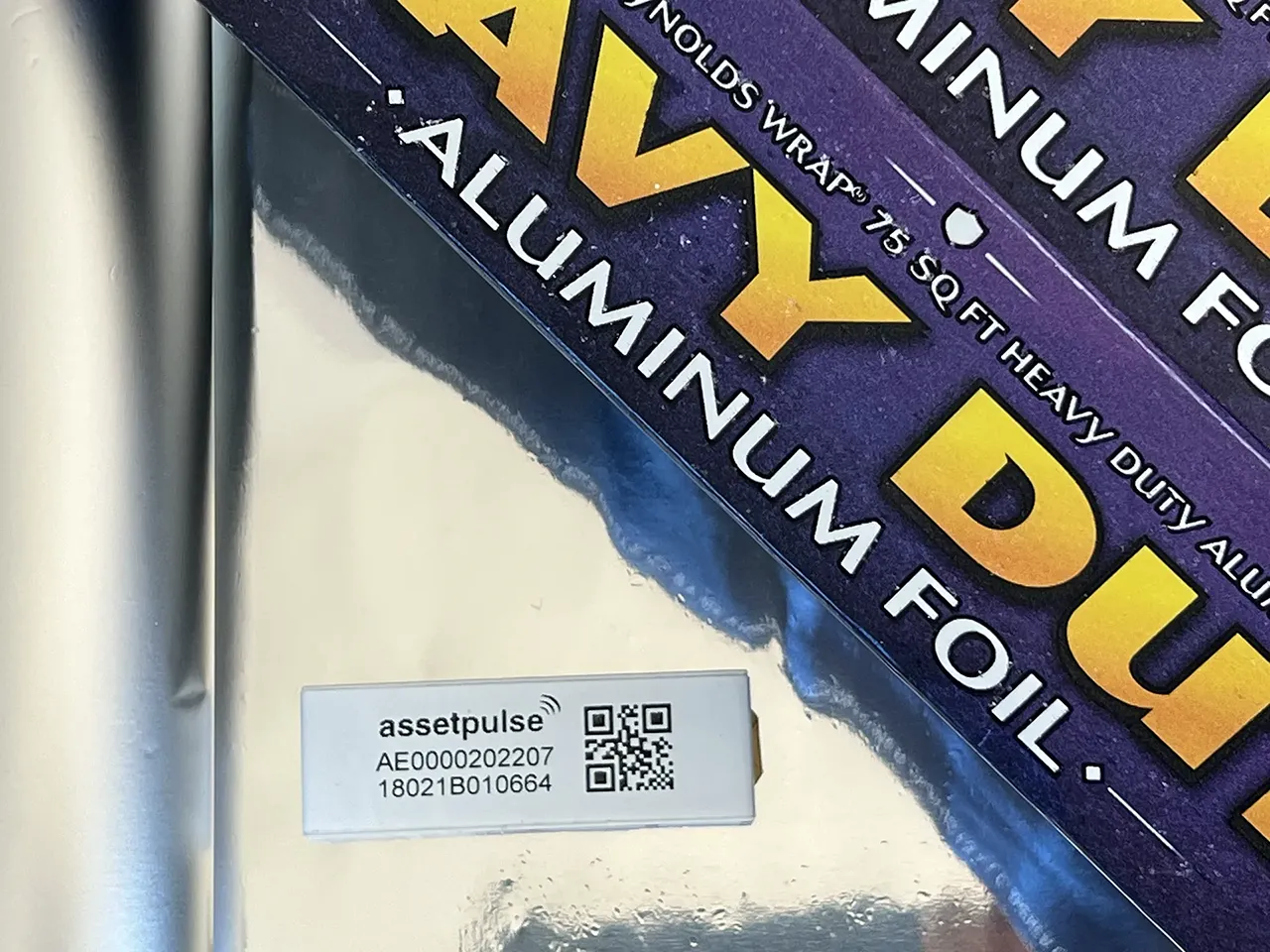
The main advantages of RFID technology are: no line-of-sight required to read tags, the ability to scan multiple tags simultaneously, long read ranges that enable automation, rugged durability across harsh environments, and reduced dependence on manual data entry. The main disadvantages are: higher initial cost compared to barcodes or QR codes, more complex hardware setup, and potential signal interference near metal surfaces or liquids. Understanding both sides helps organizations decide whether RFID is the right tracking technology for their specific application.
If you’re evaluating RFID to replace or supplement barcodes, you’re likely asking: “What are the advantages and disadvantages of RFID?” and “Why is RFID important?” Radio Frequency Identification (RFID) has been around for decades, but recent innovation shave made it more reliable and cost-effective. Today, RFID tags and scanners help businesses in manufacturing, healthcare, IT, Labs, and many other sectors.
Below, we’ll explore the key benefits (advantages) of RFID, as well as some drawbacks you should consider before deploying an RFID tracking system.
What is RFID? A Quick Overview
An RFID system typically includes:
- RFID Tags – Tiny transponders that store data (e.g., a unique ID).
- RFID Scanners – Handheld or fixed readers that emit radio waves to detect and read tags.
- RFID Software – Processes and interprets the tag data.
- Optional Accessories – Antennas, buzzers, stack lights, etc., for alerts and automation.
Unlike barcodes, RFID doesn’t require line of sight to read tags, and it can scan multiple tags at once from a distance. This makes RFID in asset tracking particularly powerful for large-scale or automated environments.
What are the Advantages of RFID?
Below are the top advantages of RFID and how they can help your organization:
1. No Line of Sight Required
Traditional barcodes need a direct scan, but RFID tags can be read even if they’re not visible. For instance, items piled in a box or linens in a laundry cart can be scanned all at once without unpacking them. This benefit is huge for industries like apparel, hospitality, and healthcare where quick inventory checks are essential.
2. Scan Multiple Tags Simultaneously
With RFID, you can wave the reader across a shelf and pick up dozens of tags in seconds. This can cut inventory time by 90% or more compared to scanning barcodes one by one. Data centers, for example, can quickly track hundreds of servers and components.
3. Long-Range Reads for Automation
RFID's ability to read from a distance enables real-time monitoring of items moving through doorways, dock doors, or gates. This is a game-changer for supply chain management, as it updates inventory counts automatically when items leave or enter a building—no manual intervention required.
4. Rugged and Versatile
RFID tags come in rugged designs to withstand extreme temperatures, moisture, and grime. Some tags are built to handle autoclaving in medical labs, while others survive on outdoor equipment covered in mud or algae. This durability makes RFID more practical than barcodes in harsh conditions.
5. Less Dependence on Human Behavior
Barcodes often require a person to scan each code. In contrast, fixed RFID readers at doorways or production lines can capture data automatically. That means your employees don’t have to remember to scan an item each time it moves, reducing human error and saving time.
6. Locate Specific Assets Quickly
Because RFID can scan many tags without line of sight, you can find a single item in a crowded area. For instance, you can walk around with a handheld reader, listening for a beep as you get closer to the tag you’re searching for. This is invaluable for locating specific vehicles in a lot, particular books in a library, or one piece of equipment in a busy lab.

7. Faster Inventory and Audits
Faster scanning and simultaneous reads translate into streamlined inventory checks and asset audits. Organizations can perform audits more frequently, ensuring up-to-date records and reducing shrinkage or loss.
What are the Disadvantages of RFID?
While the benefits of RFID are significant, there are a few drawbacks you should be aware of:
1. Initial Cost
RFID tags are more expensive than barcodes—often anywhere from $0.15 to $2.00 or more, depending on durability. RFID readers, antennas, and setup also cost more. However, many businesses see rapid payback thanks to the labor savings and accuracy improvements.
2. Complex Hardware Setup
Unlike a simple barcode scanner, fixed RFID readers can be more involved. You may need multiple antennas, cables, and precise configurations to ensure good read rates—especially near metal or liquids, which can interfere with radio waves. However, this complexity does not exist if only handheld readers are used.
3. Potential Interference
RFID performance can be affected by metal surfaces, liquids, or electromagnetic noise. Proper planning and testing are crucial to overcome these challenges. Working with an experienced RFID solutions provider can help minimize interference issues.
RFID vs. Barcode: Which Technology Should You Choose?
- Barcode Pros: Inexpensive, widely used, easy to set up.
- Barcode Cons: Needs line of sight, scans one item at a time, can be damaged easily.
- RFID Pros: No line of sight, scans multiple items, more rugged, automated tracking.
- RFID Cons: Higher upfront cost, more complex installation.
If you have a high volume of items or need to automate tracking across multiple points, RFID typically offers greater long-term value.
When you weigh the advantages of RFID against its disadvantages, you’ll find that the technology can vastly improve asset tracking across industries like manufacturing, healthcare, laboratories, and IT. Though it comes with a higher price tag and some setup complexity, the ability to read multiple tags simultaneously and track items in real time can quickly offset those costs.
If you’re ready to explore an RFID system or simply want to learn more, AssetPulse is here to help. We’ve spent more than 20 years fine-tuning RFID asset tracking solutions for businesses of all sizes, from biotech labs to large manufacturing plants.
Contact us for a free consultation and see how RFID can transform your operations.